Remodeling a home in New Orleans is a unique challenge that goes far beyond picking paint colors and hardware finishes. The city’s hot, humid climate, century-old building traditions, and strict historic preservation laws create a distinct set of constraints that homeowners rarely encounter elsewhere. Whether you’re updating a Creole cottage in the Marigny, refreshing a shotgun house in Bywater, or modernizing a Victorian in the Garden District, understanding these local factors from day one will save you time, money, and headaches. This guide walks through the specifics of planning and executing a remodel that works with, not against, what makes New Orleans homes tick.
Table of Contents
ToggleKey Takeaways
- Home remodeling in New Orleans requires climate-specific materials like moisture-resistant drywall, impact-resistant windows, and metal roofing to prevent mold, wood rot, and hurricane damage.
- New Orleans remodeling costs run 15–25% higher than national averages due to labor premiums, permit requirements, and climate resilience measures—plan for a 10–20% contingency budget.
- Historic preservation laws in New Orleans neighborhoods require design review and permits; unpermitted work voids insurance and complicates future sales, so always obtain proper approvals.
- Kitchen and bathroom remodels should prioritize ventilation, sealed countertops (quartz or granite), tile or luxury vinyl flooring, and waterproofing membranes to combat humidity and moisture.
- Hire licensed, locally experienced New Orleans contractors with verified references and insurance; request detailed written estimates and signed contracts specifying scope, timeline, and payment terms.
- Respect your home’s architectural character—preserve high ceilings and original hardwood when possible, use period-appropriate hardware and lighting, and blend modern conveniences with authentic New Orleans style.
Understanding New Orleans’ Unique Remodeling Challenges
New Orleans homes are built to handle conditions most US homeowners never think about. High humidity, salt air near the coast, flooding risk, and insect pressure all demand different material choices and construction methods than you’d use in Denver or Portland. Ignoring these factors is a recipe for wood rot, mold, and structural failure, all expensive repairs down the road.
Climate and Weather Considerations
New Orleans’ subtropical climate is relentless. Summer temperatures top 90°F with near-constant humidity that hovers around 70–80%. Hurricanes and tropical storms bring wind speeds exceeding 100 mph. This reality shapes every remodeling decision.
Start with ventilation and moisture control. Standard drywall absorbs moisture like a sponge: moisture-resistant drywall (green board or better yet, cement board) should be standard in bathrooms, kitchens, and anywhere humidity builds. Ensure your HVAC system can handle dehumidification year-round, not just cooling. Many older New Orleans homes lack adequate returns in upper stories, trapping humid air in attics and behind walls where mold thrives.
Window and door choices matter tremendously. Impact-resistant windows aren’t required outside the coastal high-hazard zone, but they’re smart in New Orleans. Standard vinyl expands and contracts with heat swings: in a New Orleans kitchen, this creates gaps around frames after a few years. Solid-core fiberglass or aluminum-clad wood holds up better. Check your flood elevation first: if your home sits in a flood zone, any HVAC equipment, electrical panels, and insulation below the design flood level need to be water-resistant or elevated above it.
Roofing materials should reflect the heat and shed water fast. Metal roofs and light-colored asphalt shingles outperform dark shingles in New Orleans. Flat roofs are common in older Creole homes but trap water: ensure proper slope (minimum 1/4 inch per foot) and quality underlayment to prevent leaks.
Historic Preservation and Building Codes
If your home sits in a historic district, and in New Orleans, there are many, prepare for a permit and design review process. The Vieux Carré Commission, Marigny Preservation Society, and other local groups have strict guidelines on exterior changes, rooflines, window styles, and colors. Interior remodels usually have fewer restrictions, but adding insulation, updating electrical, or relocating walls in historic homes often triggers code reviews.
New Orleans follows the International Residential Code (IRC) with local amendments. Structural work, electrical upgrades, and plumbing changes require permits. Don’t skip this step to save money, unpermitted work voids insurance claims and creates a nightmare when selling. Historic homes also require careful asbestos surveys before any renovation involving flooring, pipe wrap, or insulation. New Orleans had widespread asbestos use: disturbing it without proper removal is illegal and hazardous.
Mold is treated seriously in New Orleans building codes. After remodeling or any water intrusion, expect inspectors to verify proper ventilation and no visible mold before sign-off. This isn’t bureaucratic busywork, it’s the difference between a healthy home and a moldy nightmare in a climate built for fungal growth.
Planning Your Remodel: Budget and Timeline
New Orleans remodeling costs run 15–25% higher than national averages, primarily due to labor premiums, permit delays, and the extra work required for climate resilience. A kitchen remodel that costs $75,000 in Atlanta might run $90,000–$100,000 here. Account for this upfront.
Start with a detailed scope: What’s cosmetic (paint, fixtures, finishes) and what’s structural (electrical, plumbing, insulation, roofing)? Cosmetic work typically costs 30–40% less per square foot and moves faster. Structural and systems work takes longer and often uncovers surprises in 100+ year-old homes, hidden rot, undersized electrical service, outdated plumbing, that balloon costs and timelines.
Use online cost estimators like HomeAdvisor’s project cost guides to establish a realistic baseline for your area and project type. New Orleans-specific labor rates and material costs differ significantly from national averages: always cross-reference local data. Budget an extra 10–20% contingency for surprises. In older homes, this is non-negotiable.
Timeline depends on project scale and permit complexity. A bathroom remodel typically takes 4–8 weeks from permit to completion. A kitchen runs 8–12 weeks. Historic district projects add 2–4 weeks for design review and approval. If your contractor finds structural issues (rotted framing, termite damage), add another 2–4 weeks for remediation. Plan for hurricane season (June–November): many contractors slow down or pause projects during this period, and material delivery becomes unpredictable.
Popular Remodeling Projects for New Orleans Homes
Kitchen and bathroom remodels top the list in New Orleans, just as they do nationally. But the why differs. New Orleans homeowners prioritize moisture resistance, adequate ventilation, and durable finishes that handle humidity and salt air better than standard materials.
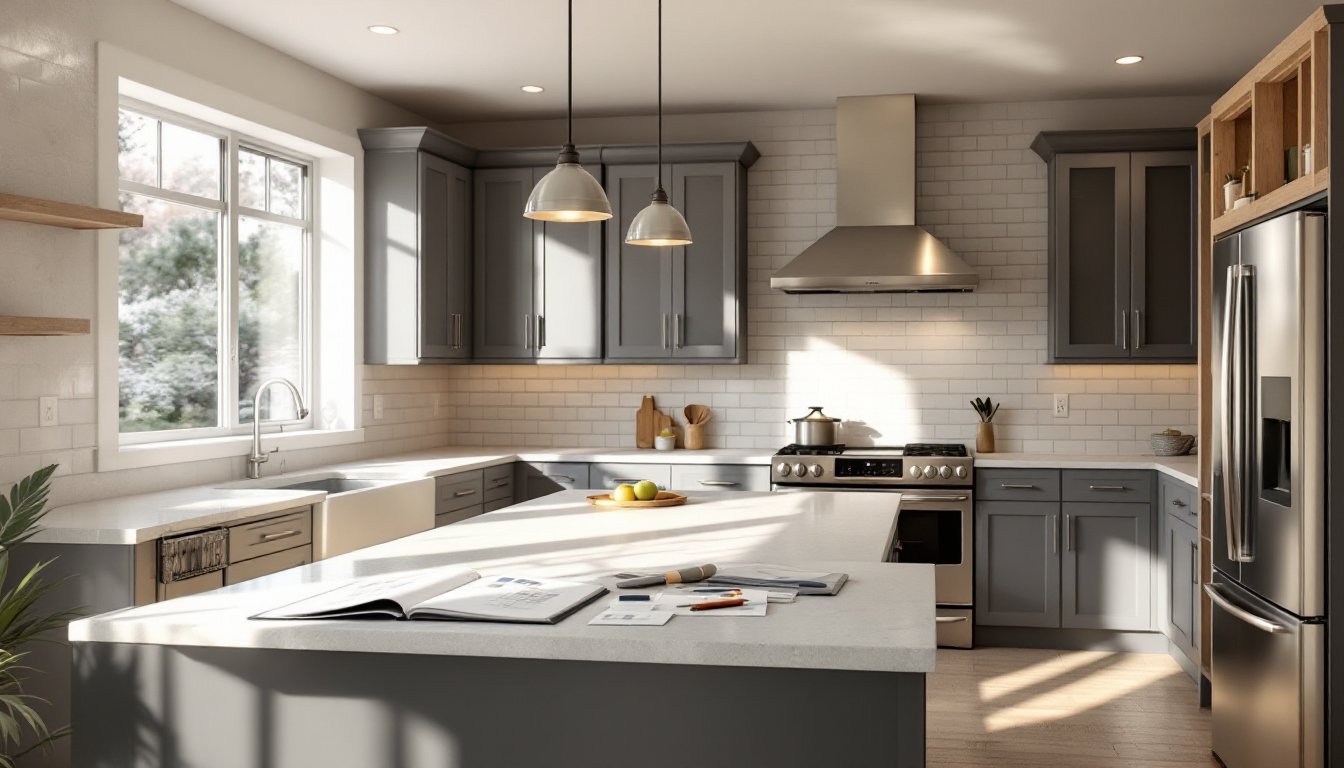
Kitchen remodels should include ventilation that works. A range hood venting to the exterior (not recirculating) is essential: humidity from cooking lingers in kitchens longer than anywhere else. Install quartz or sealed granite countertops rather than butcher block or laminate, these hold up to spills and moisture better. Tile or luxury vinyl flooring resists standing water better than wood. If you want wood, engineered hardwood or waterproof luxury vinyl plank (LVP) mimics the look without rot risk.
Bathroom remodels need cement-based or fiber-cement underlayment beneath tile, not standard drywall. Ventilation is critical: a bathroom exhaust fan should run at least 20 minutes after showers to expel humidity. Mold-resistant paint on ceilings and walls adds a layer of defense. Consider a waterproofing membrane on walls behind the tub or shower: it’s a $200–$400 detail that prevents leaks into adjacent rooms.
Bedroom and living space updates often focus on insulation and climate control. Many New Orleans homes lack sufficient attic insulation: upgrading to R-38 or R-49 (depending on your roof design) cuts cooling costs and reduces mold risk by stabilizing interior temperatures. Older wall insulation may include asbestos: have it surveyed before disturbing.
Roofing projects are common after storms. Metal roofs and architectural asphalt shingles rated for wind and impact resist hurricane damage better. Factor in structural upgrades if your roof framing is undersized, hurricane ties and reinforced connections are code requirements now.
Flooding resilience is increasingly important. If your home is in a flood zone, elevating HVAC equipment, relocating electrical panels above flood level, and using flood-resistant materials in vulnerable areas can reduce damage and insurance costs significantly.
Hiring Local Contractors and Professionals
Finding a trustworthy contractor in New Orleans requires diligence. The market is competitive, quality varies widely, and inexperienced crews can turn a simple remodel into a disaster in humid climate conditions.
Start by vetting credentials. Contractors must be licensed in Louisiana: verify licensing through the Louisiana State Licensing Board for Contractors. Check for complaints and disciplinary history. Ask for three references, and call them. Ask specifically about how the contractor handled moisture issues, permit delays, and unexpected problems. In New Orleans, these are the real tests.
Request detailed written estimates from at least three contractors. Good estimates break down labor, materials, permit costs, and timeline. If one estimate is dramatically cheaper, that’s a red flag. Either they’ve underestimated the work, planned to cut corners, or will hit you with change orders halfway through. The lowest bid rarely delivers the best value.
Insist on a signed contract before work begins. It should specify:
- Exact scope of work and materials (brand/model numbers)
- Start and end dates
- Payment schedule (typically 30% down, 30% at mid-project, 40% at completion)
- Permit and inspection responsibilities
- Warranty terms and cleanup obligations
Verify your contractor has General Liability Insurance and Workers’ Compensation Insurance. Ask for proof before signing anything. These protect you if someone is injured or property is damaged.
Look for contractors with experience in New Orleans specifically. They understand local building codes, know which suppliers stock climate-appropriate materials, and have relationships with inspectors. Directories like Houzz’s New Orleans home remodeling professionals showcase contractor portfolios and verified client reviews: it’s a solid starting point. You can also use platforms like ImproveNet’s contractor matching tools to get quotes and compare local providers.
During the project, maintain clear communication. Weekly check-ins prevent misunderstandings. Document changes in writing. If the contractor uncovers issues (like rotted framing), get a written explanation and approval for additional cost before they proceed.
Bringing New Orleans Style Into Your Renovation
A successful New Orleans remodel respects the home’s character while bringing it into 2026. This isn’t about forcing a French Quarter aesthetic onto every project, it’s about updating thoughtfully.
Victorian and Creole homes often feature high ceilings, tall windows, and original hardwood floors (if you can salvage them). Preserve these bones when possible. If flooring is damaged, reclaimed heart pine or salvaged cypress sourced from old New Orleans buildings matches originals better than new lumber. If original windows are repairable, retrofit them with inserts or storm windows rather than replacing them outright, it’s more cost-effective and keeps the period look.
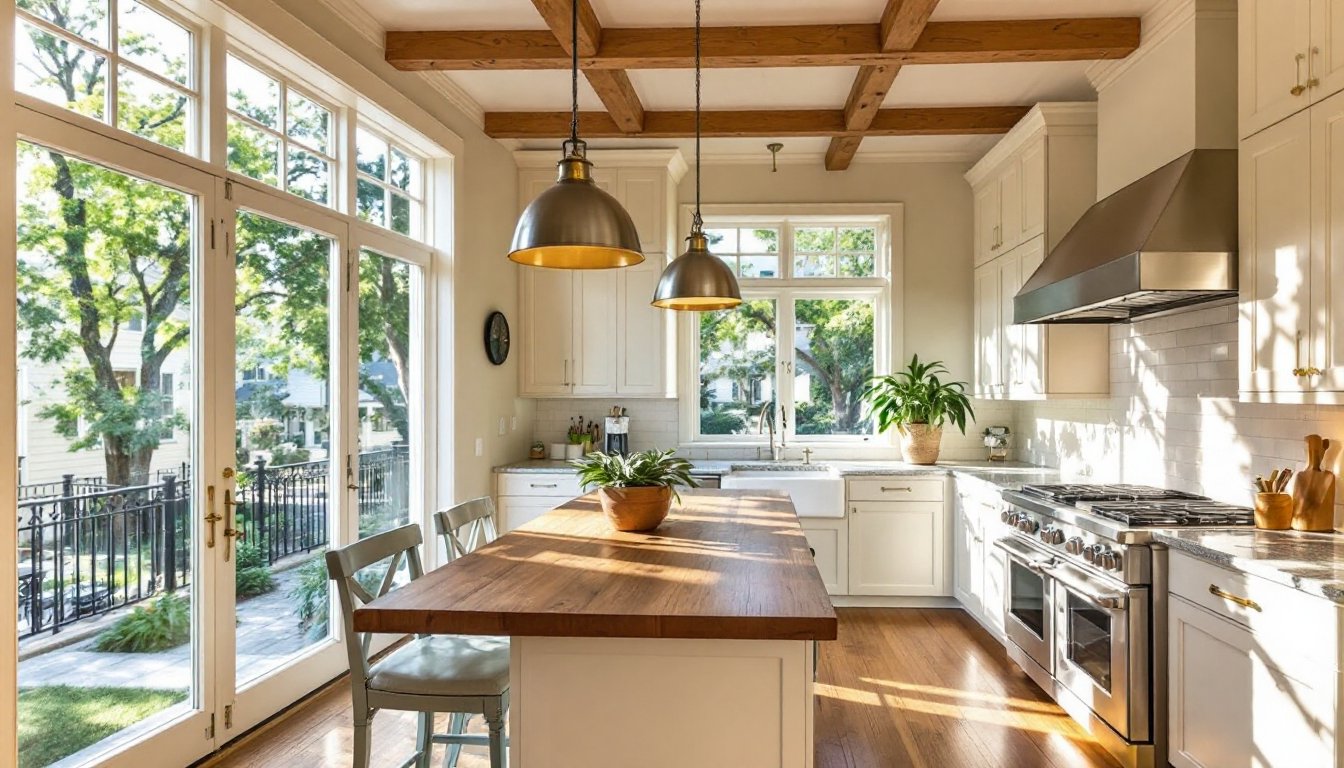
Color choices in kitchens and bathrooms should complement the home’s era without looking dated. Neutral cabinets in cream, soft gray, or natural wood finishes age better than trendy colors. Hardware finishes matter: brushed nickel and oil-rubbed bronze suit older homes better than bright chrome. Subway tile is timeless and works in Creole, shotgun, and Victorian homes alike.
Lighting is where many remodels stumble. Recessed downlights can flatten a room with high ceilings. Instead, use pendant lights over islands, sconces beside mirrors, and consider restoring original chandeliers if present. Brass and glass fixtures feel at home in New Orleans architecture.
Landscape and exterior updates should match the neighborhood character. Wrought-iron railings, brick pavers, and mature shade trees are hallmarks of New Orleans gardens. If adding a deck or patio, consider its visual impact on the streetscape, many historic districts have guidelines on this.
Modern conveniences don’t have to clash with period style. Stainless-steel appliances work in updated Creole kitchens. Open shelving and modern plumbing fixtures can coexist with original flooring and trim. The goal is a home that feels authentically New Orleans while being genuinely livable in 2026.